Profile

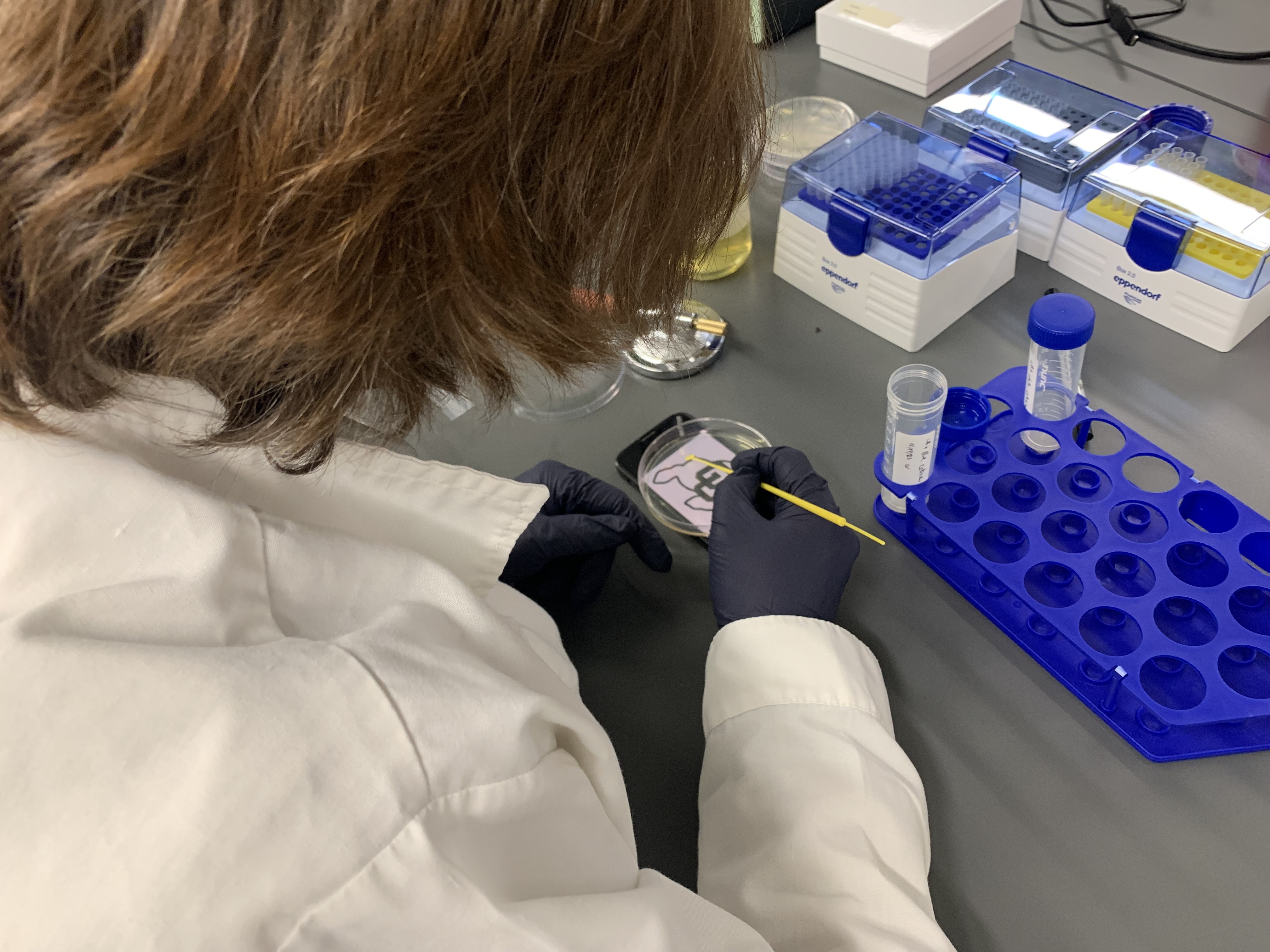
Carolus Vitalis is a Molecular Biotechnology Engineer and synthetic biologist working where molecular biology, computation, and design meet. He trained at the University of Chile in Santiago, earning a Professional Degree in Molecular Biotechnology Engineering, a grounding in the wet lab that still shapes the computational work he does now.

Now a Ph.D. candidate at the University of Colorado Boulder and a fellow of the IQ Biology interdisciplinary program, he designs de novo DNA sequences with artificial intelligence and builds software tools for synthetic biology. His thesis, on an AI-enabled platform for the creation and optimization of novel DNA transcriptional units, is supervised by a committee that includes Dr. Chris Myers, Dr. Thomas Cech, Dr. Jerome Fox, Dr. Ryan Layer, and Dr. Aaron Adler.

Beyond the Laboratory

Beyond the lab, Vitalis is drawn to graphic design and typography. He drew his own typefaces, Vitalis Sans and Vitalis Grotesk, the letterforms set throughout this site. In 2025 he served as Mission Leader at the Mars Desert Research Station in Utah, leading a multidisciplinary crew through simulated extravehicular activities in an analog Mars habitat. Away from science and design, he cycles through Boulder, explores mountain trails, and thinks on long evening drives.

Education

University of Colorado Boulder:

  • Ph.D. Candidate in Biomedical Engineering · Expected Summer 2026
  • M.S. in Biomedical Engineering · 2024
  • NSF NRT Graduate Training Program in Integrated Data Science
  • Fellow of the IQ Biology Interdisciplinary Program

University of Chile:

  • P.Eng. in Molecular Biotechnology Engineering · Graduated with Highest Distinction · 2022
  • B.Sc. (Hons.) in Molecular Biotechnology Engineering · 2021

Skills & Practice

His practice sits at the intersection of computation and molecular biology. He designs and optimizes DNA sequences with machine learning, builds software tools for synthetic biology workflows, and serves as an editor of the Synthetic Biology Open Language (SBOL), the open standard the field uses to represent and exchange genetic designs. In the laboratory, his training spans DNA assembly automation, genetic circuit characterization, and microfluidic screening.

He teaches regularly, serving as Co-Instructor for Engineering Genetic Circuits at the University of Colorado Boulder and the Pontifical Catholic University of Chile, and co-developing an online version of the course for Coursera. Seven undergraduates have conducted research under his direct mentorship across two institutions.